

The Myth of Having It All (And What Actually Feels Better)
There was a time when the phrase "you can have it all" felt radical. It represented choice, independence, and the freedom to build a life that didn’t have to fit one narrow definition. For many women, it meant no longer having to choose between ambition and love, success and softness, beauty and intellect.
In many ways, that promise still matters. The difficulty isn’t the desire for a full life; it’s what the phrase has gradually come to imply. Somewhere along the way, “having it all” started to mean that every area of life should be thriving at the same time - career, relationships, health, finances, home, personal growth - all moving forward in perfect balance. And that’s often where possibility turns into pressure.
At Faya, we’re not interested in shrinking ambition. We’re interested in removing unnecessary weight. Because sometimes the heaviest pressure comes from the idea that everything in life should be peaking at once.


Why “Having It All” Still Appeals to Us
It’s worth acknowledging why the idea remains so appealing. “Having it all” speaks to expansion rather than limitation.
It reflects the freedom to pursue all areas of life without apology. In many ways, it rejects the older belief that succeeding in one area of life must mean sacrificing another.
And there’s nothing superficial about wanting a life that feels rich and intentional. Wanting to look polished, feel healthy, build something meaningful, and love deeply isn’t unrealistic; it’s simply human.
The tension begins when empowerment slowly turns into expectation. When the internal narrative shifts from 'I can build a full life' to 'I should be excelling in every area at the same time'.



When Possibility Becomes Pressure
Most of the time, this pressure isn’t something anyone says out loud. It runs quietly in the background.
It can show up as a mental checklist that measures progress across every area of life. When one part slows down - career, relationships, health, finances - it can suddenly feel like something is falling behind.
Comparison often plays a role too; not just comparing outcomes, but comparing pace, energy, and aesthetics.
Modern life amplifies this feeling. We’re constantly exposed to carefully curated glimpses of other people’s momentum - career milestones, engagement announcements, fitness transformations, beautifully organised homes, perfectly balanced routines.
Over time, the narrative can start to shift. Instead of simply building something meaningful, it becomes about maintaining visible progress everywhere at once. And living under that kind of pressure can become exhausting.
The Aesthetic of Effortlessness (And the Truth Behind It)
Part of the myth persists because effortlessness is visually persuasive. We’re naturally drawn to women who appear composed, capable, and calm while managing full lives. The aesthetic of seamlessness suggests mastery - the sense that everything is under control.
Faya itself leans into beauty and calm. The imagery is intentional; the mood is refined. But calm is rarely accidental.
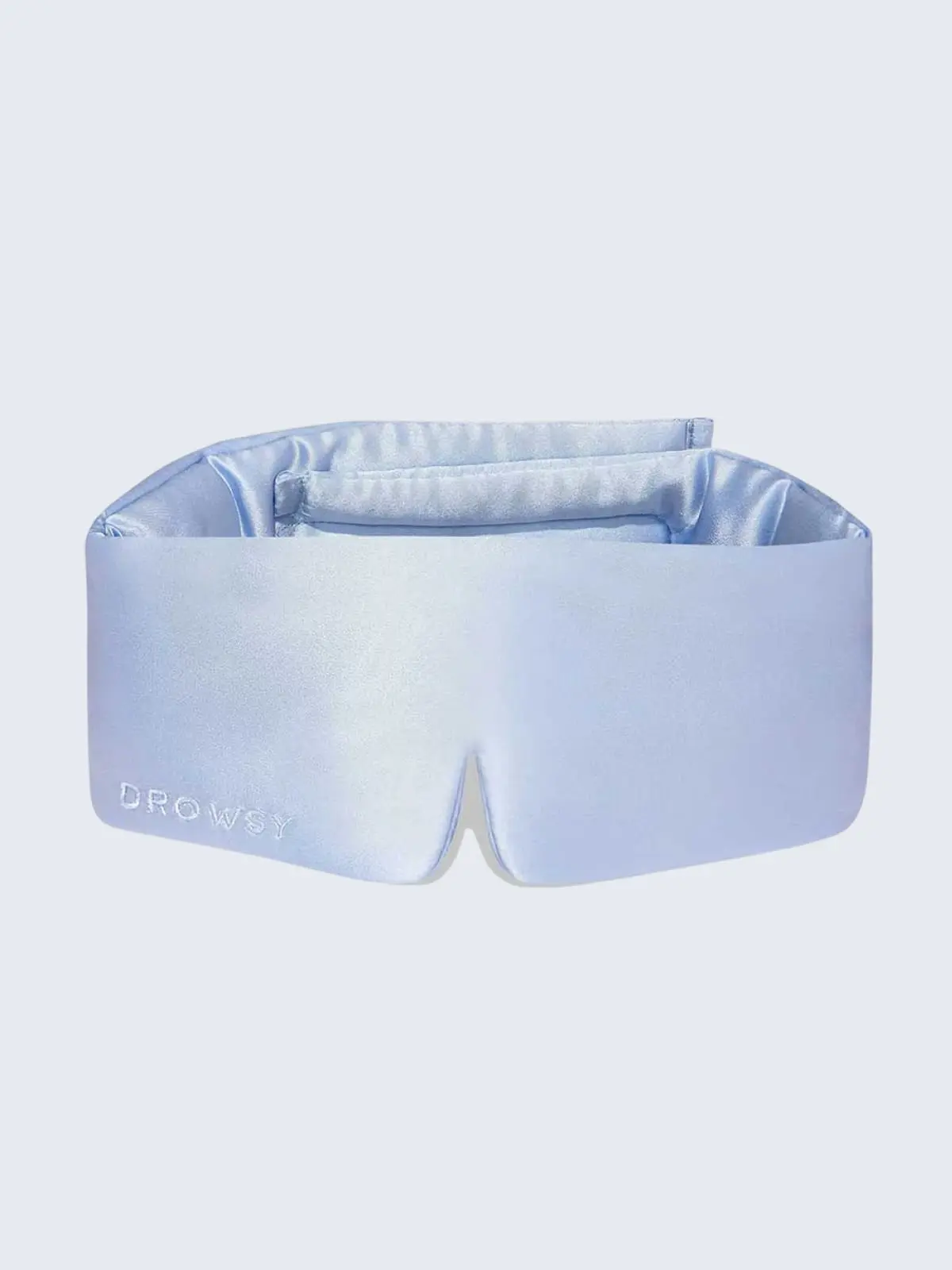
What often looks effortless is usually supported behind the scenes - by systems, boundaries, prioritisation, and sometimes well-chosen tools that remove friction from everyday life. Ease, more often than not, is engineered.
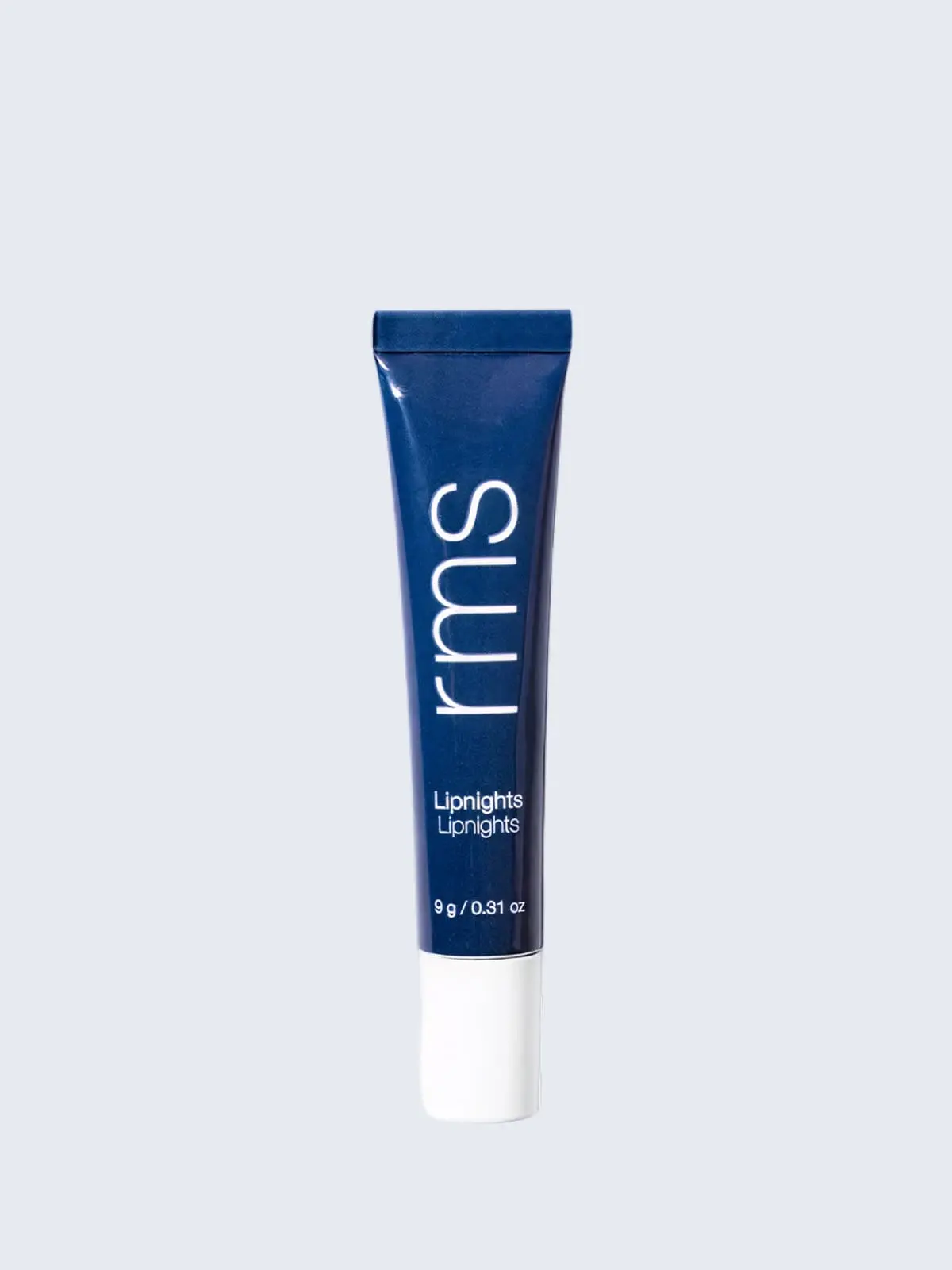
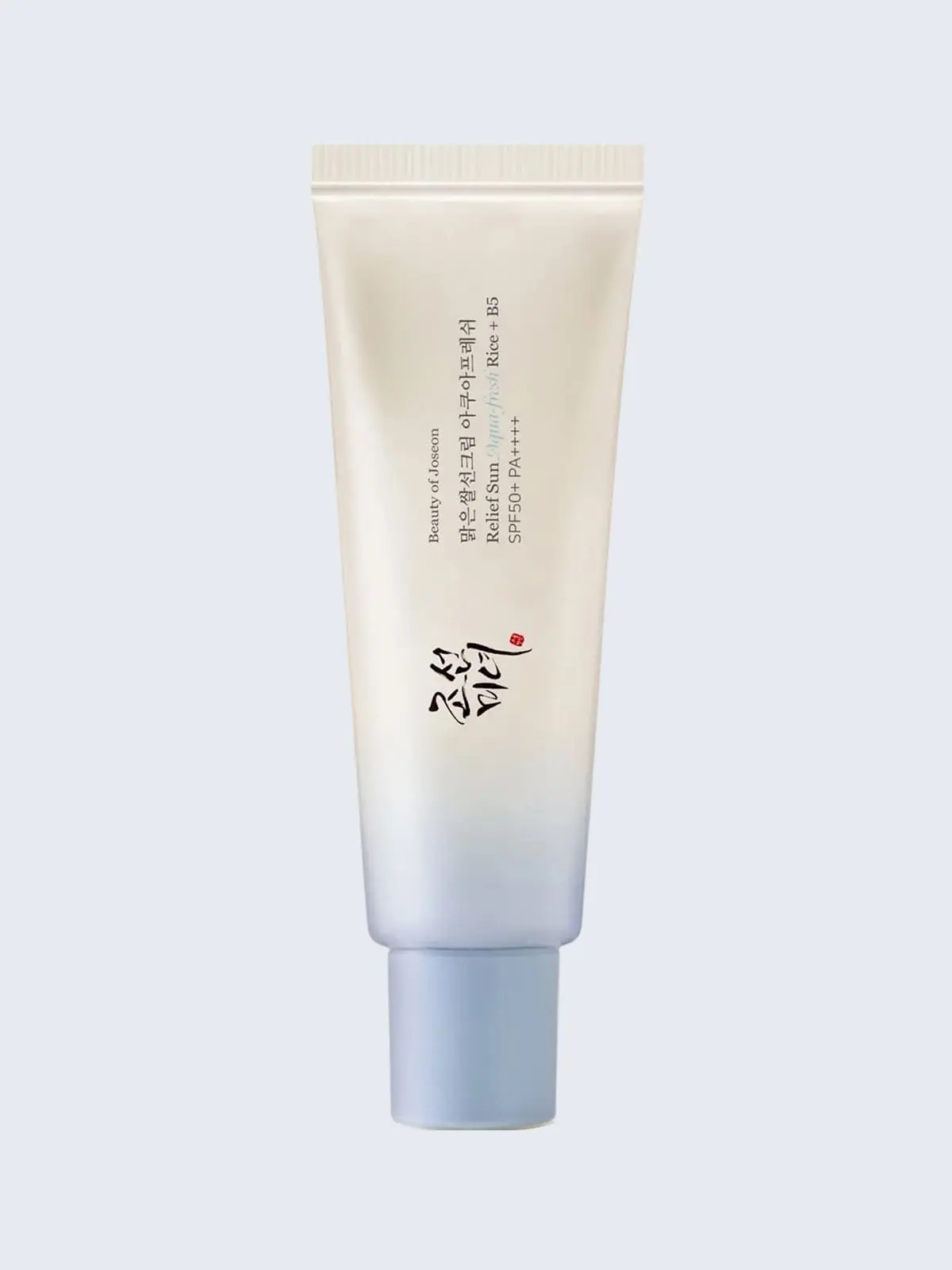
That might mean simplifying a beauty routine so getting ready feels quick and grounding rather than overwhelming. It might mean organisational systems that prevent small daily stressors from piling up. It might mean choosing products or habits that make mornings smoother or evenings more restorative.
None of this creates a perfect life. What it creates is margin - a little more space, a little less friction. And that distinction matters.
Seasons, Not Simultaneity
One of the most liberating shifts is recognising that life tends to unfold in seasons rather than simultaneous peaks.
There will be chapters where work demands more focus; others where relationships, health, or personal life take priority. Some years are naturally oriented around building and expansion, while others are quieter periods of recalibration.
Nature doesn’t operate in full bloom all year. Growth, consolidation, and rest move in cycles. Expecting constant progress across every area of life ignores that reality. When you begin to think in seasons, comparison often softens.
Instead of asking whether you’re excelling everywhere at once, a different question emerges: 'what deserves my attention right now?' It’s a simpler question - and often a far more clarifying one.

What Actually Feels Better
If trying to have everything at once often creates pressure, what tends to feel better instead? Clarity helps. Knowing which areas of life genuinely deserve your focus in this season - and allowing that to be all.
Depth helps too. Investing energy meaningfully in a few priorities rather than spreading yourself thin across every expectation.
Sustainability matters. Choosing a pace that can be maintained without quiet resentment building beneath the surface. And perhaps most importantly, enoughness. The decision that not everything in life requires optimisation.
This isn’t about lowering your standards, it’s about refining them. A life that feels coherent is often far more satisfying than one that looks impressive but actually feels fractured.
Redefining “All” on Your Own Terms
Perhaps the idea of "having it all" doesn’t need to be abandoned; it simply needs to be redefined.
What if “all” didn’t mean everything happening perfectly at the same time, but rather the things that genuinely matter to you - aligned with your energy, your priorities, and the season you’re in?
It might look something like this:
- A career that gives back rather than consumes
- A family life that is happy and healthy, rather than picture-perfect
- Relationships that feel safe rather than performative
- A body that feels supported rather than constantly pushed
- Ambition that stretches you without slowly eroding your peace
This version of “all” may appear simpler from the outside. But it’s often far more sustainable, and far more satisfying to live inside.
A Practical Reset
If this conversation feels familiar, resetting your expectations doesn’t need to be dramatic.
Often, small recalibrations are enough to change how life feels.
- Begin by identifying the primary focus of this season - not indefinitely, simply for now.
- Limit your active priorities to a small number, allowing the rest of life to remain steady rather than constantly accelerating.
- Notice where friction is quietly building in your daily routines. Small stressors have a way of accumulating over time.
- Simplifying one routine, or introducing one supportive system, can often create disproportionate ease.
- Consider releasing one silent expectation that no longer serves you. The heaviest standards are often the ones we place on ourselves.
- And try to step back from benchmarking your timeline against others; progress rarely reflects context, and comparison rarely reflects reality.
Small recalibrations and mindset shifts have a subtle way of shifting how life feels. We explore this further in our article '5 Mindset Shifts to Make Life Feel Lighter'.
Why “Having It All” Still Appeals to Us
It’s worth acknowledging why the idea remains so appealing. “Having it all” speaks to expansion rather than limitation.
It reflects the freedom to pursue all areas of life without apology. In many ways, it rejects the older belief that succeeding in one area of life must mean sacrificing another.
And there’s nothing superficial about wanting a life that feels rich and intentional. Wanting to look polished, feel healthy, build something meaningful, and love deeply isn’t unrealistic; it’s simply human.
The tension begins when empowerment slowly turns into expectation. When the internal narrative shifts from 'I can build a full life' to 'I should be excelling in every area at the same time'.
When Possibility Becomes Pressure
Most of the time, this pressure isn’t something anyone says out loud. It runs quietly in the background.
It can show up as a mental checklist that measures progress across every area of life. When one part slows down - career, relationships, health, finances - it can suddenly feel like something is falling behind.
Comparison often plays a role too; not just comparing outcomes, but comparing pace, energy, and aesthetics.
Modern life amplifies this feeling. We’re constantly exposed to carefully curated glimpses of other people’s momentum - career milestones, engagement announcements, fitness transformations, beautifully organised homes, perfectly balanced routines.
Over time, the narrative can start to shift. Instead of simply building something meaningful, it becomes about maintaining visible progress everywhere at once. And living under that kind of pressure can become exhausting.
The Aesthetic of Effortlessness (And the Truth Behind It)
Part of the myth persists because effortlessness is visually persuasive. We’re naturally drawn to women who appear composed, capable, and calm while managing full lives. The aesthetic of seamlessness suggests mastery - the sense that everything is under control.
Faya itself leans into beauty and calm. The imagery is intentional; the mood is refined. But calm is rarely accidental.
What often looks effortless is usually supported behind the scenes - by systems, boundaries, prioritisation, and sometimes well-chosen tools that remove friction from everyday life. Ease, more often than not, is engineered.
That might mean simplifying a beauty routine so getting ready feels quick and grounding rather than overwhelming. It might mean organisational systems that prevent small daily stressors from piling up. It might mean choosing products or habits that make mornings smoother or evenings more restorative.
None of this creates a perfect life. What it creates is margin - a little more space, a little less friction. And that distinction matters.
Seasons, Not Simultaneity
One of the most liberating shifts is recognising that life tends to unfold in seasons rather than simultaneous peaks.
There will be chapters where work demands more focus; others where relationships, health, or personal life take priority. Some years are naturally oriented around building and expansion, while others are quieter periods of recalibration.
Nature doesn’t operate in full bloom all year. Growth, consolidation, and rest move in cycles. Expecting constant progress across every area of life ignores that reality. When you begin to think in seasons, comparison often softens.
Instead of asking whether you’re excelling everywhere at once, a different question emerges: 'what deserves my attention right now?' It’s a simpler question - and often a far more clarifying one.
What Actually Feels Better
If trying to have everything at once often creates pressure, what tends to feel better instead? Clarity helps. Knowing which areas of life genuinely deserve your focus in this season - and allowing that to be all.
Depth helps too. Investing energy meaningfully in a few priorities rather than spreading yourself thin across every expectation.
Sustainability matters. Choosing a pace that can be maintained without quiet resentment building beneath the surface. And perhaps most importantly, enoughness. The decision that not everything in life requires optimisation.
This isn’t about lowering your standards, it’s about refining them. A life that feels coherent is often far more satisfying than one that looks impressive but actually feels fractured.
Redefining “All” on Your Own Terms
Perhaps the idea of "having it all" doesn’t need to be abandoned; it simply needs to be redefined.
What if “all” didn’t mean everything happening perfectly at the same time, but rather the things that genuinely matter to you - aligned with your energy, your priorities, and the season you’re in?
It might look something like this:
- A career that gives back rather than consumes
- A family life that is happy and healthy, rather than picture-perfect
- Relationships that feel safe rather than performative
- A body that feels supported rather than constantly pushed
- Ambition that stretches you without slowly eroding your peace
This version of “all” may appear simpler from the outside. But it’s often far more sustainable, and far more satisfying to live inside.
A Practical Reset
If this conversation feels familiar, resetting your expectations doesn’t need to be dramatic.
Often, small recalibrations are enough to change how life feels.
- Begin by identifying the primary focus of this season - not indefinitely, simply for now.
- Limit your active priorities to a small number, allowing the rest of life to remain steady rather than constantly accelerating.
- Notice where friction is quietly building in your daily routines. Small stressors have a way of accumulating over time.
- Simplifying one routine, or introducing one supportive system, can often create disproportionate ease.
- Consider releasing one silent expectation that no longer serves you. The heaviest standards are often the ones we place on ourselves.
- And try to step back from benchmarking your timeline against others; progress rarely reflects context, and comparison rarely reflects reality.
Small recalibrations and mindset shifts have a subtle way of shifting how life feels. We explore this further in our article '5 Mindset Shifts to Make Life Feel Lighter'.

The Ultimate Holiday Essentials List For Effortless Travel

5 Of The Best Daily Productivity Planners - For Less Stress, More Structure

5 Of The Best Natural Aromatherapy Candles For A Calmer, Lighter Mood
FAQ
The desire for a full and expansive life is not unrealistic. The expectation that every area must flourish simultaneously is what creates unnecessary pressure.
Look at where neglect would cause the most stress or long-term consequence. Often your body and intuition already know what needs attention.
Yes. Ambition and balance are not opposites. The key is focusing your ambition rather than applying it indiscriminately to every category.
Comparison rarely reflects context. You are seeing a curated moment, not the trade-offs or internal pressures behind it.
Begin by allowing one area of your life to be good enough rather than exceptional. Relief often follows quickly.
It looks sustainable, personal and aligned with your current season rather than someone else’s expectations.
More from
Lifestyle
The Ultimate Holiday Essentials List For Effortless Travel
5 Of The Best Daily Productivity Planners - For Less Stress, More Structure
5 Of The Best Natural Aromatherapy Candles For A Calmer, Lighter Mood

A Simple Way To Start A Gratitude Journal (In Just 5 Minutes)

Slow The Scroll: How To Reset Your Relationship With Social Media

6 Of The Best Self-Care Rituals You Can Do At Home

5 Mindset Shifts To Make Life Feel Lighter

Detoxing Your Life: How To Live More With Less

Rituals, Not Routines: Finding Calm in What You Already Do

The Rise of Quiet Success – The Softer Way to Achieve
.webp)
6 Clean Travel Products for the Ultimate In-Flight Revival

More from
Lifestyle
The Ultimate Holiday Essentials List For Effortless Travel
5 Of The Best Daily Productivity Planners - For Less Stress, More Structure
5 Of The Best Natural Aromatherapy Candles For A Calmer, Lighter Mood
A Simple Way To Start A Gratitude Journal (In Just 5 Minutes)
Slow The Scroll: How To Reset Your Relationship With Social Media
6 Of The Best Self-Care Rituals You Can Do At Home
5 Mindset Shifts To Make Life Feel Lighter
Detoxing Your Life: How To Live More With Less
Rituals, Not Routines: Finding Calm in What You Already Do
The Rise of Quiet Success – The Softer Way to Achieve
6 Clean Travel Products for the Ultimate In-Flight Revival

