
At Faya, we believe beauty should feel effortless, intentional, and safe. The clean beauty movement is full of noise and mixed messages, but at its heart, it’s about creating a better way forward: products that respect your skin, your health, and the world around us.
Our promise? To cut through the confusion with clarity. We research, edit, and share only the formulas that meet our standards, so you can spend less time worrying about what’s inside the bottle and more time enjoying what works.

Clean beauty is one of the most debated terms in the industry, and for good reason. Unlike “organic” or “natural,” there’s no official definition, so every brand interprets it differently. That can leave consumers feeling lost.
At Faya, we define clean beauty through three simple values:
Clean beauty isn’t a rigid set of rules - it’s a guiding principle. It’s about moving toward formulas that are kinder to your skin and the planet, without sacrificing performance.
Our values guide us, but our standards come from science. We rely on independent resources like the EWG Skin Deep® database, to evaluate ingredients.
💡 Did you know? The EWG Skin Deep® database has been running since 2004 and now covers more than 90,000 products, making it one of the most widely used resources for ingredient transparency worldwide.

When it comes to ingredient safety, some names surface again and again across databases like EWG Skin Deep®. These aren’t necessarily our “blacklist” but rather the ingredients most consistently rated higher hazard, and the ones we aim to avoid when curating Faya’s picks. Below, we’ve highlighted the most common culprits, why they’re a concern, and what to look for instead:

Remember: Not every product containing these ingredients is “toxic.” The real issue is long-term exposure, sensitivity, and lack of transparency. At Faya, we look for products that avoid these where possible, so you don’t have to stress over the fine print.
Clean beauty isn’t black and white. Some ingredients may earn a moderate hazard rating, but they can still play an important role in effective, safe formulas. At Faya, we allow these on a case-by-case basis, always weighing the benefits against the potential concerns.
Our philosophy: these ingredients aren’t “bad” in isolation - it’s all about context, concentration, and balance. If a product includes one of these but otherwise meets our clean standards, we may feature it.

Clean beauty isn’t just about what you leave out, it’s about what you welcome in. The industry is full of incredible, skin-loving ingredients that are both effective and gentle. These are the ones we consistently look out for when curating products at Faya:


Clean beauty can feel overwhelming, but it doesn’t need to be. Here’s a simple checklist to guide your choices:
1. Scan the label → Look for shorter, more recognisable ingredient lists. The fewer unnecessary additives, the better.
2. Check the rating → Use trusted tools like EWG Skin Deep® Database, Yuka App, or OnSkin App before buying.
3. Look for transparency → Brands that clearly explain their ingredients and sourcing are usually the ones you can trust.
4. Favour balance, not extremes → “Free from everything” isn’t always better. Choose products that balance safety, effectiveness, and skin health.
5. Consider your own needs → Sensitive skin? Focus on fragrance-free. Oily skin? Seek barrier-supporting actives. Clean beauty is personal.
6. Start small → Swap one everyday product (like cleanser or lip balm) to begin your clean routine without overwhelm.
Tip: Think of this checklist as a quick edit for your beauty bag - you don’t need to memorise every ingredient, just lean on trusted sources and start with small changes.

Clean beauty doesn’t mean replacing your entire bathroom cabinet overnight. Small, thoughtful swaps can make the biggest difference. Here are some easy ones to start with:
Lip Balm
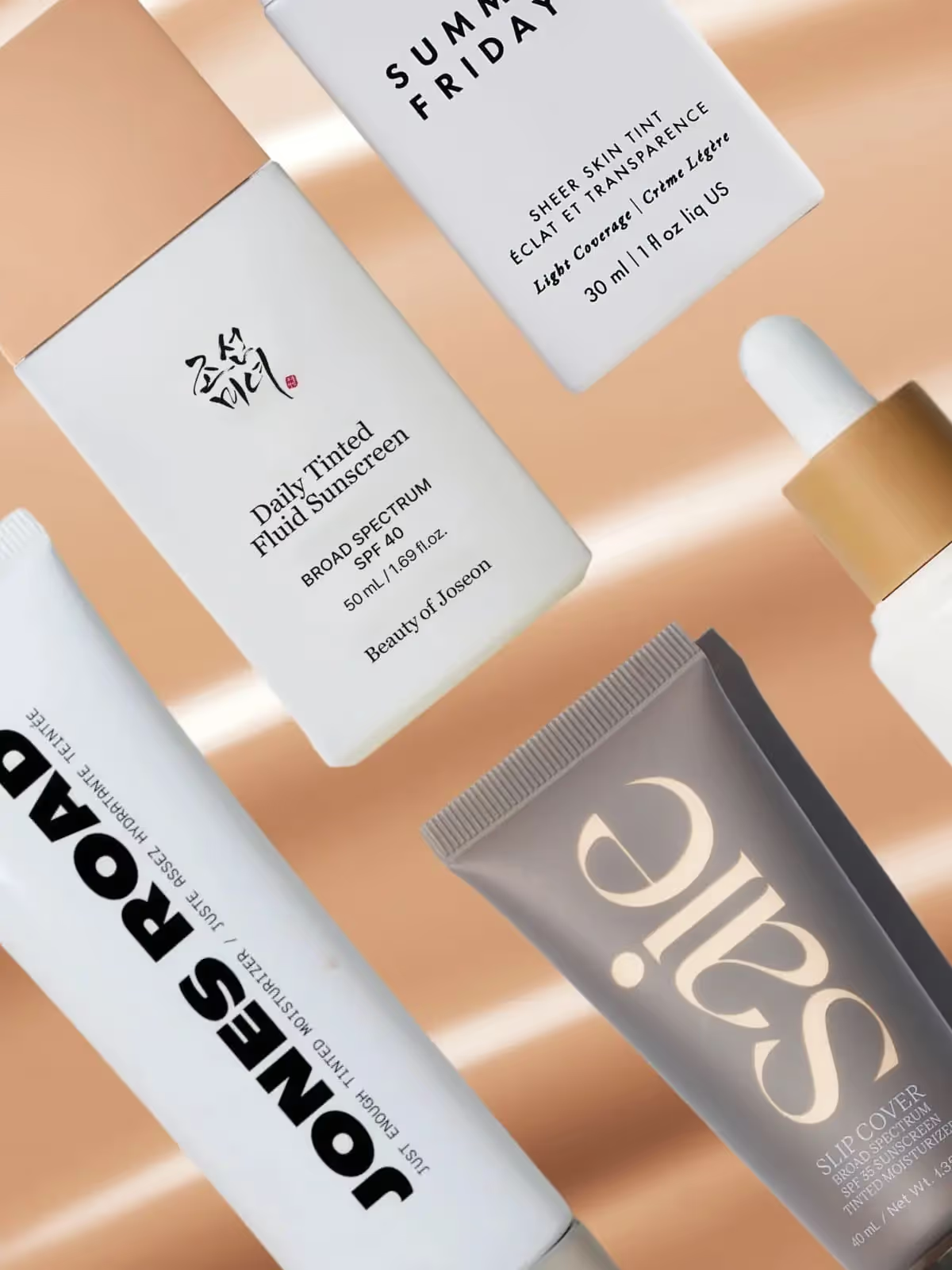
Sunscreen
Deodorant
Shampoo
Hand Cream
Everyone’s skin, values, and lifestyle are different. What feels “clean” to one person may not work for another, and that’s okay. We curate with care, but ultimately, it’s up to you to decide what’s right for your body and routine. Our role is to make navigating those choices easier, not to replace your personal judgment.
Not quite. “Organic” and “natural” describe how ingredients are sourced. “Clean” is broader – it focuses on safety, transparency, and avoiding unnecessary risk, whether synthetic or natural.
Yes. Many clean brands use clinically proven actives like niacinamide, vitamin C, and peptides. Clean doesn’t mean less effective, it means safer and more thoughtful.
Not necessarily. Some premium clean brands are costly, but there are plenty of affordable options too. What matters most is quality, not price tag.
No – switching gradually is better. Start with your daily essentials (cleanser, moisturiser, sunscreen) and build from there.
Sadly, no. Because there’s no legal definition, some brands use “clean” as a buzzword. That’s why Faya checks everything against EWG's Skin Deep® database before recommending.
That’s okay! Clean beauty isn’t about guilt – it’s about making more mindful choices where you can. Balance matters more than perfection.















.avif)



.webp)